

mental defilements : ค้นหาหนังสือธรรมะ หน้า 3 / 3
หน้าหนังสือทั้งหมด
176
Understanding Right Concentration in Mindfulness
the emperor. Similarly, discretional mindfulness monitors
all mental phenomena — if it is unwholesome, then to try to
reduce it. If it is wholesome, to give it the chance to grow.
8. Right Concentrat
This section discusses the concept of Right Concentration in mindfulness, highlighting its two essential characteristics: supporting role and focusing role. It draws analogies to illustrate how concen
187
The Sacred Formulas of Luang Phaw Wat Paknam
For example, if there were statements about constructing a
Dhamma Hall or a monk's shelter soon, then this must happen.
In short, the temple must produce results as soon as it can.
Thus, the first sac
The teachings of Luang Phaw Wat Paknam emphasize three sacred formulas essential for temple prosperity: cleanliness, diligent teaching of Dhamma, and frequent meditation practice. Cleanliness is vital
16
World Peace through Inner Peace
was formed to guide people with a philosophy to live happily. In reality the true common enemy for all humankind is our defilement, which includes greed, anger and ignorance. The defilement in our min
This text discusses how true peace can be achieved by confronting our inner defilements such as greed, anger, and ignorance. It argues that these defilements, rather than religion, are the root causes
187
The Sacred Formulas of Luang Phaw Wat Paknam
For example, if there were statements about constructing a Dhamma Hall or a monk's shelter soon, then this must happen. In short, the temple must produce results as soon as it can.
Thus, the first sa
บทเรียนจากหลวงพ่อวัดปากน้ำเน้นความสะอาด ความขยันในการสอนธรรม และการฝึกสมาธิเป็นสูตรศักดิ์สิทธิ์ในการสร้างวัด การสอนธรรมแก่ผู้มีศรัทธา รวมถึงการฝึกสมาธิเพื่อเข้าถึงนิโรธและการสิ้นสุดของกิเลส ถือเป็นแนว
51
The Transformative Power of the Noble Eightfold Path in Buddhism
refer to something which 'transforms' the person into noble states, so that itself is comparable to the creator. At the same time, it must refer also to the shared or same kind of qualities or essence
This text delves into the concept of transformation in Buddhist philosophy, specifically through the Noble Eightfold Path. It highlights how this path aids in the eradication of defilements, enabling
56
Understanding Brahmabhūta and the Path to Nibbāna
where all fetters are unrooted, or at least they signify the ‘best’ state.
The same may be said for the parallel of dhammacarĺa and brahmacarĺa. Although these two compounds are normally used in dif
The text discusses how 'brahmabhūta' refers to the state of having eradicated all defilements, allowing one to experience ultimate peace and happiness. It parallels 'dhammacarĺa' and 'brahmacarĺa' as
61
Understanding Defilements and the Path to True Happiness
"• In conclusion, the sufferings of all beings are caused by succumbing to the influence of our accumulated defilements - from the past until this moment. We open our eyes (all of our senses are open)
In conclusion, suffering arises from our defilements, which influence our actions and desires. To achieve true happiness, we must eliminate these defilements through good actions, stopping poor habits
82
Understanding Dhamma and the Influence of Karma
Suzanne Jeffrey
“The Dhamma is sphere shaped. If we put our mind in the center of the Dhamma, then we will be bright all of the time and get rid of our defilements. Center of the center, middle of th
In this insightful discussion, Luang Por elaborates on the nature of Dhamma, emphasizing that if we center our minds in Dhamma, we can attain clarity and diminish our defilements. He explains that whi
111
The Path to Self-Development and Ethical Living
Suzanne Jeffrey
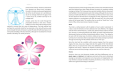
tions, although in the beginning of our life, when we are developing our habits, our six
directions give us total input - in other words, we are in-taking all the information that
wil
This text discusses the importance of self-development through six directions, emphasizing the role of ethical living and the teachings of Buddha in understanding one's mind and actions. It highlights
20
The Nature of the Human Body and Mind
the physical nature of the average human body consists of an articulated vertical spine and skeletal frame that enable efficient movement for standing, walking, running and sitting. this framework als
The human body consists of a vertical spine and skeletal frame facilitating movement while embodying a mortal nature that inevitably degrades. The mind, a refined element, holds memories and struggles
196
The Dangers of Sensual Pleasures and Self-Mortification
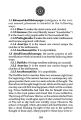
1.1 Kāmasukhallikāyunāga: indulgence in the various sensual pleasures is harmful in the following ways:
1.1.1 Hino: It makes the mind coarse and clouded;
1.1.2 Gammo: (this word literally means "house
In Buddhist teachings, indulgence in sensual pleasures is deemed harmful as it clouds the mind, encourages a household life, collects defilements, and is ultimately unprofitable. Similarly, self-morti
245
Understanding Pathama Magga and Associated Concepts
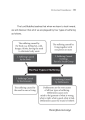
Pathama Magga (a level of *phötthabba tanhä* (tactile craving: meditational attainment, synonymous with "Initial Path", *phötthabba vicāra* (tactile discursive thought: see sense discursive thought: s
This text delves into the intricate concepts surrounding Pathama Magga in Buddhist teachings. It includes various terms such as tactile craving (*phötthabba tanhä*), tactile thought conception (*phött
41
Untitled
Universal Goodness : 39
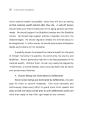
The Lord Buddha teaches that when we learn to look inward, we will discover that all of us are plagued by four types of suffering as follows.
The suffering caused by the body
No content provided to summarize.
22
Untitled
20 : Universal Goodness
much material wealth as possible, since they will end up leaving
all that material wealth behind after they die. A well-off person
should make sure that he takes care of his a
N/A
158
Understanding Dhamma and Enlightenment
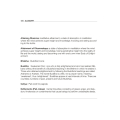
Attaining Dhamma: meditative attainment; a state of absorption in meditation where the mind achieves super insight and knowledge; knowing and seeing according to the truths.
Attainment of Dhammakaya:
This content delves into the concept of Dhamma as a state of meditative absorption. It explains the attainment of Dhammakaya, where deep insight allows one to see the reality of life. Key terms such a
42
Understanding the Mind: Characteristics and Defilements
the third is thought or conceptualization, and the fourth is wisdom, or merging this new awareness into our pool of accumulated knowledge we already have stored.
“War and conflict, of course, are wro
This text explores the essential characteristics of the mind and how they influence our perceptions, thoughts, and overall mental state. The mind, unlike the physical body, is a subtle entity that can
135
Interconnectedness in Education: A Holistic Approach
There is some blur at the top of the image that makes the beginning of the title unclear. However, the main body of the text has been transcribed as follows:
**"There is a total interconnectedness of
This text discusses the interconnectedness of individuals in society and education, highlighting the importance of adhering to moral precepts and avoiding detrimental behaviors. It emphasizes the role
140
Understanding the Dhammakāya and Its Mind
reaching the Dhammakāya and becoming one and the same as the Dhammakāya. The body of the Dhammakāya incorporates layers of perception, sensory registration, central processing and cognition in just th
…, they ultimately reach the Subtle Arahat Dhammakāya body and experience a state of 'coolness' from mental defilements. At this stage, the meditator completes their mental work, having realized the profound truths of e…
164
ฝันและการตื่น ไปในอาณาจักรแห่งจิตใจ
…5
Dhammadayada 114, 116
Dhammajayo Bhikkhu (see Phara-
jbhavanavisudh)
Dhammakaya: able to identify
mental defilements 62; body 29; knowledge of 8
Dhammakaya Cetiya, 151, 152
Dhammakaya Foundation, origins 80
Dhammakay…
บทความนี้นำเสนอแนวคิดเกี่ยวกับฝันและการตื่น และความเชื่อมโยงระหว่างทั้งสอง โดยอธิบายว่าฝันมีบทบาทอย่างไรในการสะท้อนความคิดและอารมณ์ของเรา ฝันเป็นกระบวนการที่เกิดขึ้นเมื่อจิตใต้สำนึกสื่อสารกับความคิดที
121
The Four Virtues of Self-Improvement
2. Self-improvement (Dama)
"The second virtue is to always improve oneself. I kept
improving myself professionally. From an ignorant person, I
kept advancing myself until I was able to be a good provi
In this chapter, the author discusses the essential virtues for self-improvement and personal growth. The second virtue emphasizes the importance of continuous self-enhancement, maintaining profession